Best Time to Visit the Colosseum

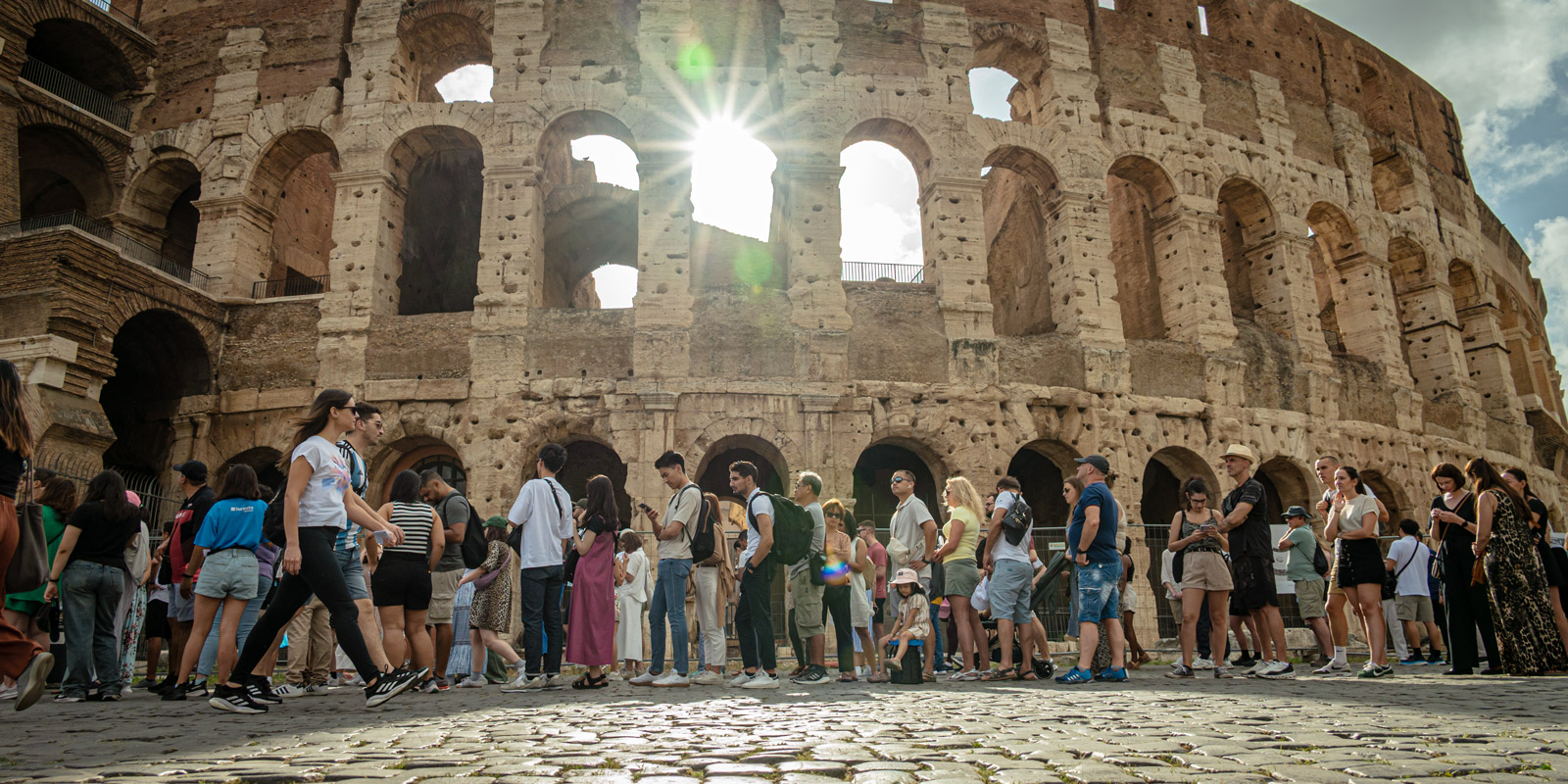
Visitors to the Colosseum in Rome

Timing can make all the difference when visiting the Colosseum in Rome. Choosing the best time to go can help you avoid long lines, steer clear of extreme weather, and enjoy a more relaxed experience at this iconic amphitheater. This guide covers the optimal times of day, days of the week, and seasons of the year to visit the Colosseum, along with guided tours and key ticket-planning details you’ll want to know before you go. If you’d like a quick background first, see our Colosseum history overview.

Best Time of Day to Visit

Early morning (opening time at 8:30 AM) is widely considered the best time of day to visit the Colosseum. Arriving right when the Colosseum opens means you'll encounter the smallest crowds of the day. If possible, book the first available time slot and get in line a little before 8:30 AM to be among the first inside. Exploring the Colosseum in the calm morning hours lets you appreciate the arena with fewer people around.

Late afternoon is another excellent time to go. In the last couple of hours before closing, the tourist rush tapers off significantly. Tour groups and school trips usually start leaving by mid-afternoon, so by roughly 1–2 hours before the Colosseum closes, the crowds are much thinner. As a bonus, if you visit close to sunset (especially in summer months when closing time is later in the evening), you'll see the ancient stone take on a golden glow – a very picturesque time for photos.

In contrast, the late morning and midday period (around 10:00 AM to 2:00 PM) is the busiest time at the Colosseum. By late morning, large tour groups and cruise ship excursions have arrived, and lines at security and entry are longest. Midday is also when Rome's sun is directly overhead – during summer this means intense heat while standing in the open. If you must visit during these peak hours, be prepared for big crowds and intense heat. Make sure to wear a hat, apply sunscreen, stay hydrated, and consider purchasing skip-the-line tickets in advance to avoid waiting in the ticket line.

Tip: In the cooler winter months, crowds are lighter overall, so visiting a bit later in the morning or early afternoon can be pleasant (you won't need to avoid midday as strictly as in summer). However, in hot summer months, sticking to early or late visits will greatly improve your comfort.

Best Day of the Week to Visit

The Colosseum is open every day (except Christmas Day and New Year's Day), and there isn't a dramatic difference in visitor numbers on regular weekdays. That said, weekends tend to be busier than weekdays. Many travelers use Saturday and Sunday to sightsee, and Italians enjoying a weekend in Rome may also add a Colosseum visit. If your schedule allows, aim for a midweek day for a calmer experience. Generally, the best days of the week to visit the Colosseum are Tuesday, Wednesday, or Thursday, when you'll likely encounter slightly shorter lines and fewer tour groups than on a Friday or weekend.

Mondays can also see higher crowds, since the Colosseum is open while some other attractions (like certain museums) are closed on Mondays – meaning more tourists might choose the Colosseum that day. So if possible, try to avoid Monday as well as the weekend. The difference isn't extreme, but every bit helps when planning for the best day to go to the Colosseum.

Tip: On the first Sunday of every month, the Colosseum (along with many other Italian state sites) offers free entry to the public. While this sounds like a great deal, it's also the most crowded day to visit. Tickets cannot be booked on free days – it's first-come, first-served. If you decide to go on a free Sunday, be prepared for very long queues and arrive extremely early. Otherwise, it's wise to avoid the first Sunday of the month and choose a paid day with far fewer people.

Best Time of Year to Visit (By Season)

The Colosseum attracts visitors year-round, but the experience can vary greatly between the high summer season and the quieter winter months. Rome's weather and tourist traffic change with the seasons, so consider what matters more to you – avoiding crowds or enjoying warmer weather – when planning the timing of your trip. Here's a breakdown of what to expect in each season:

Spring (March – May)

Spring is one of the best times to visit the Colosseum for a balance of pleasant weather and manageable crowds. Early spring (March) can still be cool and a bit rainy, but by April and May, days are mild to warm and generally comfortable for walking around the ancient ruins. Tourist numbers start rising around Easter, so the weeks around the Easter holidays (when many people travel to Rome) are busier than early spring. May is a popular month as well, but it's still less crowded than the peak of summer. Overall, April and May offer a sweet spot: temperatures are comfortable (around 18–24°C / 65–75°F) and while you will certainly encounter other tourists, it's not yet the full crush of high season.

Summer (June – August)

Summer is high season in Rome. From June through August, expect the Colosseum to be at its busiest. The tourist crowds are heaviest in July and August, when many Europeans and families travel during school holidays. This is also when Rome's heat is at its peak – afternoon temperatures often soar above 30°C (86°F), with some days exceeding 35°C (95°F). Long queues under the blazing sun can be challenging, so it's crucial to plan ahead if visiting in summer. Book your entry time in advance (ideally for first thing in the morning or later in the day, as mentioned above), and bring water. If you prefer a cooler and calmer experience, consider choosing a guided tour that starts early.

Despite the challenges, summer also has its perks: long daylight hours and a lively atmosphere in Rome. If you visit in June, you might catch slightly fewer crowds than July/August. But overall, if your schedule is flexible, avoid July and August for a calmer Colosseum experience. If you can only travel in summer, try to go toward early June or late August rather than the mid-summer peak.

Autumn (September – November)

Autumn (Fall) is another fantastic time for visiting. Early autumn, especially September, still sees quite a lot of tourists – the first half of September can feel like an extension of summer crowds, although by late September it starts to ease up. The weather in September is warm but more bearable than August (around 25–28°C / 77–82°F in the daytime). By October, the weather is generally very pleasant (around 20–24°C / 68–75°F with cooler evenings) and the summer peak crowds have subsided. October is often considered one of the best months to visit the Colosseum because you get mild weather and relatively fewer crowds compared to summer.

November is the transition into Rome's low season. Temperatures drop to around 15–18°C (59–64°F) with a higher chance of rain, and tourist numbers fall off significantly after the All Saints' Day holiday in early November. This can be one of the quietest times at the Colosseum – you might find it much easier to get tickets last-minute and to move around without feeling packed in. Just be prepared for shorter daylight and possible rainy days. If you don't mind cooler weather and want to avoid crowds, November is a good time to go.

Winter (December – February)

Winter is the low tourist season in Rome (aside from the holiday period), making it a potentially great time to visit the Colosseum if crowd avoidance is your top priority. From December through February, visitor numbers are at their lowest. You may sometimes have parts of the site almost to yourself, especially on weekdays. December is a mixed bag: early December is quiet, but the weeks around Christmas and New Year's see a spike in tourism. The Colosseum is closed on December 25 (Christmas Day) and January 1 (New Year's Day), but the days surrounding those holidays can be busy with visitors taking advantage of year-end vacations.

January and February are among the quietest months. Expect cool weather – daytime highs around 10–13°C (50–55°F) in Rome – and occasional rain. It's wise to dress in layers and bring an umbrella. While you won't have to contend with long lines, the Colosseum operates on shorter winter hours, so it’s smart to check and book your entry time with daylight in mind.

Tip: Overall, the best time of year to visit the Colosseum for most people is during the shoulder seasons – spring and autumn. In April, May, late September, or October, you'll find a happy medium of decent weather and moderate crowds. If your priority is minimal crowds above all else (and you don't mind chilly weather), then the depths of winter (January or February) will be your best bet.

Special Tours, Night Visits, and Free Entry Days

Beyond choosing a season or time of day, keep in mind a few special opportunities and events that could influence when you decide to go. For an overview of options (including Arena and Underground experiences), see our Colosseum tours guide.

Colosseum Night Tours

In the warmer months, the Colosseum offers limited night tours on select evenings. These after-hours visits let you explore the amphitheater in a smaller group under atmospheric lighting — a great option if you want fewer crowds and a very different vibe compared to daytime entry.

For 2026, night tours will run only on Tuesdays and Thursdays, in the period from May to November, with start times scheduled between 20:45 and 22:30. Because these tours are extremely popular, it’s a good idea to book several months in advance. If you want to lock in a date, you can check availability and book here: Rome: Colosseum Night Tour with Arena & Underground.

Free Admission Days

As mentioned earlier, the first Sunday of each month is a free entry day for the Colosseum. Additionally, there are occasionally other free or reduced-price days tied to cultural events or holidays in Italy. While free admission can save you money, remember that these days draw huge crowds. If you value a calmer visit, you may prefer a regular paid day and reserve a timed entry slot.

Conclusion: Making the Most of Your Visit

When planning when to visit the Colosseum, consider both crowd levels and weather to tailor the experience to your preferences. For many, the sweet spot is a weekday morning in spring or fall – for example, visiting on a Wednesday at 8:30 AM in April or October would give you mild weather and fewer crowds. If you're visiting in the summer high season, mitigate the crowds by going early or late in the day, and consider evening tours for a different pace. In the winter, enjoy the thinner crowds but bundle up and be mindful of the shorter daylight hours.

No matter when you go, booking your tickets or tours in advance is highly recommended so you can secure an entry time and avoid the longest ticket queues. With smart timing and a bit of planning, you can enjoy the Colosseum to the fullest — and if you want extra context while you’re there, our history page will help the ruins make even more sense on-site.

The timing questions people actually have

What is the best time of day to visit the Colosseum?

The best option is right at opening (around 8:30 AM), when crowds are usually at their lowest and the experience feels calmer. If mornings do not work for you, the next-best choice is the final 1–2 hours before closing, when the visitor flow typically decreases.

What time should I arrive for the quietest entry?

Aim to arrive 20–30 minutes before opening (or 20–30 minutes before your scheduled entry time) so you can clear security smoothly and be among the first inside.

What is the worst time of day to visit (so I can avoid it)?

The busiest period is usually late morning through early afternoon (roughly 10:00 AM to 2:00 PM), when tour groups and day-trippers tend to peak.

What is the best day of the week to visit the Colosseum?

If you can choose, Tuesday through Thursday are often slightly less crowded than Fridays and weekends. Saturdays and Sundays are typically busier, and Mondays can also be crowded because some other attractions in Rome may be closed.

Is the first Sunday of the month a good time to visit?

If your priority is comfort and fewer crowds, it is usually not ideal. These days can be especially busy, so if you go, plan to arrive very early.

Which months are best for pleasant weather and manageable crowds?

For many visitors, the sweet spot is April to June and September to October, when the weather is generally comfortable and crowds are often more manageable than in peak summer.

Which months are the most challenging for crowds and heat?

July and August are usually the toughest months due to high temperatures and heavy visitor numbers. During this period, an early morning or late-day visit makes a noticeable difference.

Is winter a good time to visit the Colosseum?

Yes—especially if you value smaller crowds. Winter can feel much calmer, but you should plan for cooler weather, occasional rain, and shorter daylight hours.

How long does it take to visit the Colosseum, and why does timing matter?

Most visitors spend 60–90 minutes inside the Colosseum itself. If you also plan to visit the Roman Forum and Palatine Hill, you should budget 3–4 hours total. Timing matters because you want enough daylight and energy to enjoy the site without rushing.

When is the best time for photos at the Colosseum?

For the most flattering light and fewer people in your shots, choose early morning or late afternoon near sunset, when the stone often looks warmer and the crowds may be thinner.

Are night tours a good choice if I want fewer crowds?

Yes. Night visits often feel more atmospheric and less hectic than daytime hours, with a distinct ambiance under evening lighting.

If I can only pick one strategy, what is the best overall plan?

Choose a weekday (ideally Tuesday to Thursday) and visit at opening time (around 8:30 AM). It is the simplest way to improve your experience without overthinking the schedule.